.webp)
Healthcare professionals face a significant challenge in the digital age: finding a HIPAA-compliant form builder that balances user-friendly features with strict patient privacy requirements. When collecting protected health information (PHI) online, using secure tools isn't just good practice; it's essential for avoiding potentially devastating consequences.
HIPAA-compliant online forms offer healthcare entities a safer way to collect and manage sensitive patient data. Not following HIPAA guidelines can lead to hefty fines, legal troubles, and a damaged reputation that will tarnish your image as a healthcare practice. Fortunately, secure online forms and HIPAA tools provide the necessary protection while reducing administrative overhead and allowing patients to submit information from any device.
We've researched and evaluated the best HIPAA-compliant form builders specifically for healthcare organizations in 2026. This guide will walk you through what these tools are, why they're crucial for your practice, and compare the top 10 options available today. Additionally, we'll share key features to look for, practical tips for creating effective intake forms, and common compliance mistakes you'll want to avoid. Whether you're a small practice or an extensive healthcare system, this comprehensive overview will help you make an informed decision to protect both your patients and your practice.
A HIPAA-compliant form builder is a specialized digital tool that enables healthcare providers to create, distribute, and manage online forms while maintaining strict compliance with the Health Insurance Portability and Accountability Act (HIPAA). These platforms serve as the backbone for secure patient data collection in the modern healthcare environment.
Unlike standard form builders, these specialized solutions incorporate robust security measures explicitly designed to protect PHI. They function as the digital gatekeepers for sensitive data, ensuring that every piece of information patients share remains confidential and secure throughout its lifecycle.
The foundation of any HIPAA-compliant form builder rests on several critical components. First and foremost, these platforms must implement end-to-end encryption using AES-256 for data at rest and TLS 1.2 or higher for data in transit. This encryption serves as the first line of defense against unauthorized access to sensitive patient information.
Furthermore, an organization offering a HIPAA-compliant form builder must be willing to sign a Business Associate Agreement (BAA) with healthcare entities. This legal document:
Without this agreement, healthcare organizations cannot achieve full HIPAA compliance regardless of the platform's other security features.
Comprehensive access controls represent another crucial element of these systems. Multi-factor authentication, role-based permissions, and automatic session timeouts work together to verify user identities and ensure only authorized personnel can access or modify protected health information. Meanwhile, detailed audit trails track every interaction with patient data, creating an unalterable record of who accessed information and when.
Form builders streamline countless healthcare workflows. From patient intake and consent forms to satisfaction surveys and medical questionnaires, and from capturing signatures on PDFs to digitizing processes that traditionally relied on paper documentation, they enable providers to digitize processes that previously relied on paper. Consequently, this improves operational efficiency while maintaining the highest standards of data protection.
Try Home Health Patient Intake Chatbot
HIPAA compliance applies to several categories of organizations handling patient information, including healthcare providers (doctors, home-based care), healthcare facilities (hospitals, clinics), health plans (insurance companies, Medicare), clearinghouses, and their business associates. For all these entities, properly secured forms aren't optional; they're a legal obligation with serious consequences for non-compliance.
Indeed, failing to implement appropriate safeguards can result in substantial financial penalties and legal complications. Beyond regulatory concerns, HIPAA-compliant form builders offer practical benefits by removing ambiguity from data collection processes. They allow healthcare organizations to focus more on patient care rather than administrative complexities or security concerns.
As healthcare continues its digital transformation, these specialized tools provide the necessary infrastructure to balance efficiency with stringent privacy requirements. By incorporating the right HIPAA-compliant form builder into their operations, healthcare entities can confidently collect the information they need while maintaining patient trust and regulatory compliance.
The adoption of HIPAA-compliant online forms isn't merely a technological upgrade; it's a critical necessity for modern healthcare providers. As medical practices transition to digital solutions, understanding why secure form builders matter can help inform better operational decisions.
Patients have a fundamental right to privacy, which is an essential part of dignified healthcare. This privacy allows them to share sensitive health information more freely, knowing it remains protected. HIPAA regulations explicitly require that patient information be encrypted both "at rest" (when stored) and "in transit" (when transferred), rendering sensitive data unreadable except to authorized users.
Digital forms primarily address security concerns by eliminating risks associated with physical paperwork handling and disposal. Unlike paper forms, which can be lost, stolen, or improperly discarded, HIPAA-compliant form builders implement robust security features, including access controls that restrict information to authorized personnel. Moreover, proper encryption ensures that even if data were somehow intercepted, it would remain unreadable and secure.
In fact, digital solutions help maintain what HIPAA calls the "minimum necessary" principle, ensuring that information is accessible only to those who truly need it for patient care. This targeted approach to data handling creates multiple layers of protection for sensitive patient information.
Non-compliance with HIPAA regulations carries substantial consequences:
Given that the healthcare sector remains among the most targeted industries for cyberattacks, the risk is significant. Recent enforcement has been particularly active, with 22 investigations resulting in civil monetary penalties or settlements in 2024 alone.
HIPAA-compliant online forms offer practical advantages that enhance operational efficiency. Patients can complete forms on any device before their appointment, reducing waiting room time and creating a more pleasant experience. This convenience factor may increase patient retention by reducing the overall stress of the care process.
For healthcare providers, these forms streamline workflows by making patient information instantly accessible and searchable. With no manual data transfer required, practices avoid entry errors that could compromise patient care. Additionally, these forms integrate seamlessly with existing electronic health record (EHR) systems, creating a cohesive information ecosystem.
From a sustainability perspective, digital forms significantly reduce paper usage. Considering that each doctor's office uses thousands of paper sheets annually, the cost savings and environmental benefits become substantial over time.
Overall, as healthcare continues its digital evolution, HIPAA-compliant form builders represent not just a regulatory requirement but a strategic advantage that benefits providers and patients alike.
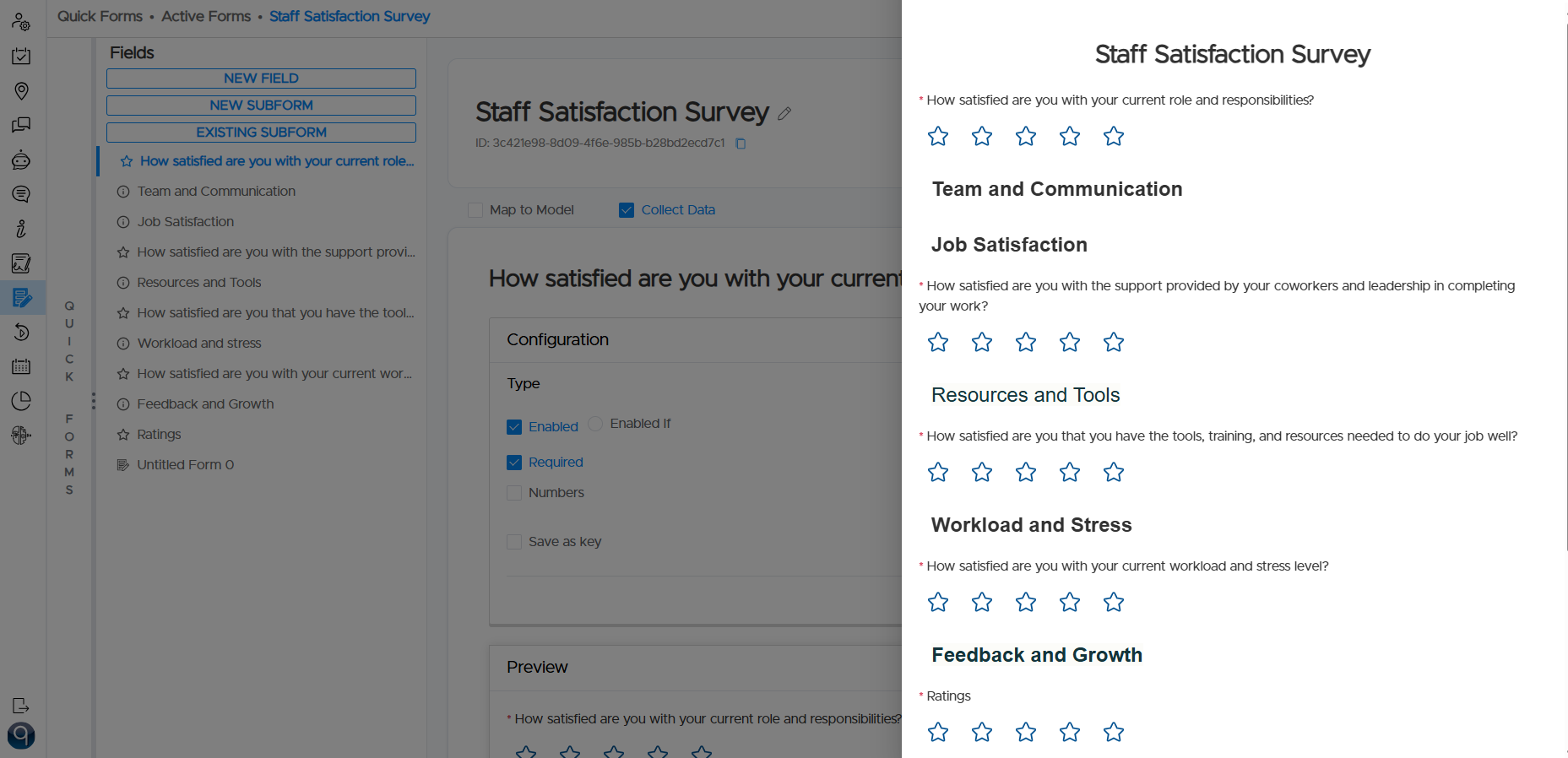
When selecting a HIPAA-compliant form builder for your healthcare practice, certain technical features stand out as non-negotiable. These essential components work together to create a secure ecosystem for handling sensitive patient information throughout its lifecycle.
The cornerstone of any secure form builder is robust encryption technology. For complete HIPAA compliance, form builders must implement AES-256 encryption for data at rest (when stored in their system) and TLS 1.2 or higher protocols for data in transit (during transmission). This comprehensive approach ensures that even if data is somehow intercepted, it remains completely unreadable without proper decryption keys.
Strong encryption serves as your first line of defense against unauthorized access, effectively rendering patient information useless to anyone who might intercept it. To be truly effective, these keys should be stored separately from the encrypted data itself, creating an additional security layer.
A Business Associate Agreement is not just paperwork; it's a legal requirement for HIPAA compliance. Any service that handles protected health information must enter into a BAA with healthcare organizations. This contract:
Without a signed BAA, your practice cannot achieve full HIPAA compliance, regardless of the form builder's other security features. Therefore, always verify that your chosen provider offers a proper BAA before implementation.
Effective access management prevents unauthorized viewing or modification of patient data. Look for form builders that offer multi-factor authentication (MFA), role-based permissions that limit access by job function, and automatic session timeouts that require re-authentication after periods of inactivity.
Alongside access controls, comprehensive audit trails create accountability by documenting every interaction with patient data. These logs should record who accessed information, what actions they performed, and when each action occurred. For legal and compliance purposes, these records must be:
Behind the scenes, form builders should utilize HIPAA-compliant data centers with multiple security layers, including firewalls and intrusion detection systems. Regular security updates and patches maintain this protection over time.
Equally important, disaster recovery capabilities ensure business continuity through regular, encrypted backups. These systems should enable quick data restoration following any system failure or security incident, thereby fulfilling HIPAA's contingency planning requirements.
In today's on-the-go healthcare environment, mobile-friendly forms have become essential. HIPAA-compliant form builders should offer a responsive design that adapts seamlessly across devices while maintaining security. This flexibility allows patients to complete forms from anywhere at home before appointments or in waiting rooms, improving efficiency without compromising data protection.
Mobile compatibility also benefits healthcare providers, enabling secure access to patient information from multiple devices when properly authenticated. This convenience factor significantly enhances workflow without sacrificing the stringent security measures required for HIPAA compliance.
Selecting the right HIPAA-compliant form builder requires careful consideration of various factors that align with your organization's specific requirements. Let me guide you through this critical decision-making process to ensure you select a solution that truly meets your healthcare practice's needs.
The size of your healthcare organization significantly influences which HIPAA-compliant form builder will best serve you. Small clinics often have different priorities than large healthcare networks. For instance, smaller practices prioritize ease of use and affordability, making solutions like FormHippo more suitable. Conversely, larger organizations with complex form requirements might benefit more from comprehensive platforms such as QliqSOFT, Formstack, or JotForm.
Before comparing options, consider these practice-specific factors:
It's worth noting that workflow requirements vary significantly across healthcare settings. Practices managing multiple departments or locations typically prioritize more sophisticated routing and notification features than solo practitioners. Look for No-code tools that provide the flexibility to solve many needs.
Integration capabilities represent a decisive factor when selecting a HIPAA-compliant form builder. Seamless connection with your existing Electronic Health Record (EHR) system reduces staff effort by eliminating manual data transfer. This integration enhances both operational efficiency and quality of care.
Several form builders advertise EHR integration, yet the depth and quality of these connections vary substantially. QliqSOFT’s end-to-end communication platform offers a range of inbound and outbound integrations, as well as the option to upload PDFs or discrete data elements to the EMR. FormDr, for example, promotes direct routing of completed forms to appropriate staff members and automatic uploading into patient charts. Likewise, FormAssembly highlights its ability to connect securely to CRMs and EHR systems "out of the box".
When evaluating integration options, examine whether the form builder supports:
The ideal solution creates what QliqSOFT describes as an "end-to-end communication platform," eliminating the need for separate platforms or manual processes.
Technical complexity presents another crucial consideration, particularly if your team lacks extensive technical expertise. Form builders vary dramatically in their learning curves and user-friendliness.
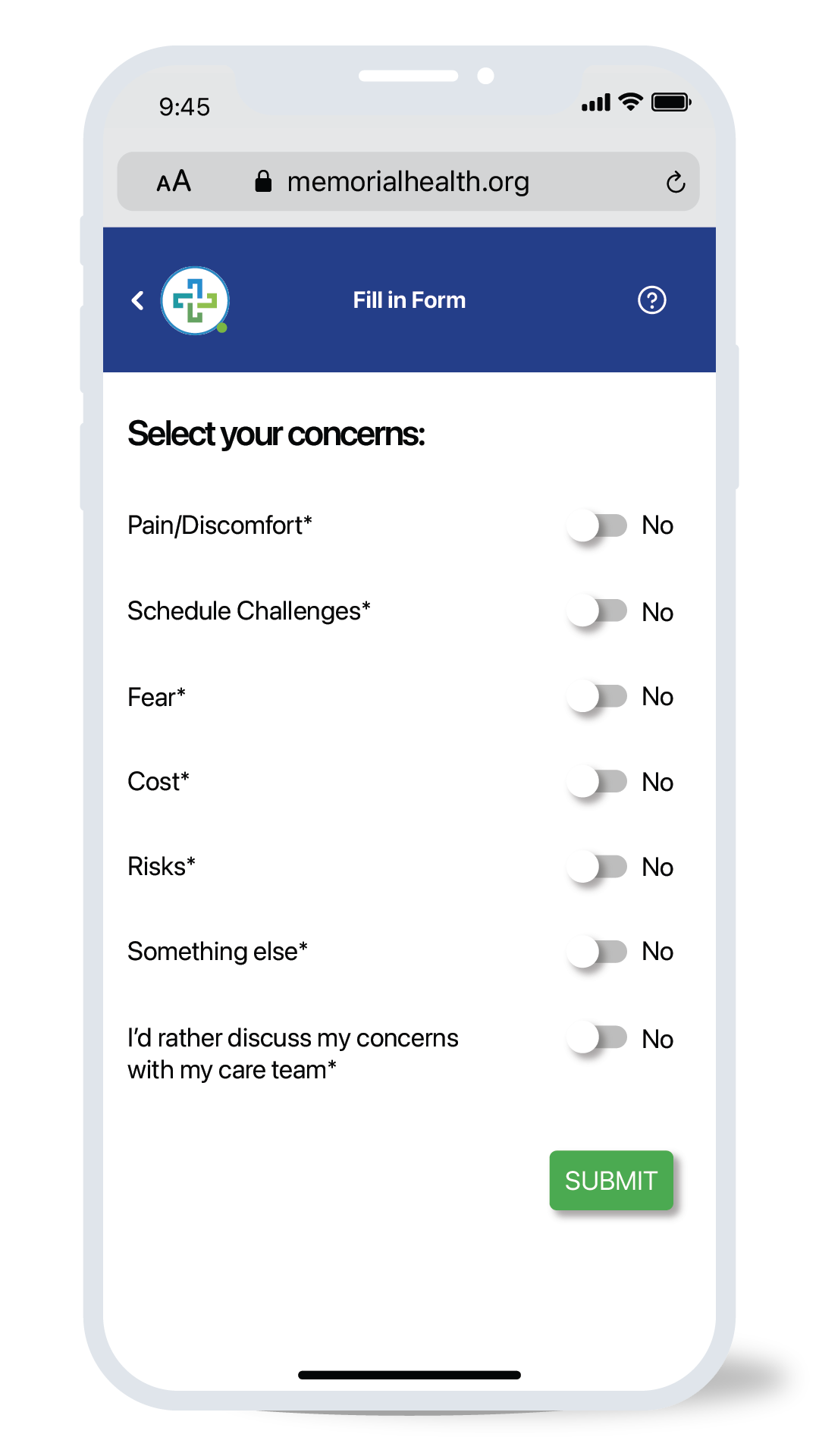
QliqSOFT provides robust no-code tools that enable non-IT users to create custom forms quickly, add conditional logic, and generate dynamic reports of form responses. QliqSOFT also allows users to upload PDFs, add data to them, select fields for recipient entry, and support multi-step routing.
JotForm emphasizes that building HIPAA-compliant forms "just takes a couple of minutes and zero technical skill." Similarly, FormDr promotes its intuitive interface, noting that clients find their paperwork process "seamless" after adoption.
Beyond the initial setup, consider these support-related factors:
To verify these claims, don't simply trust marketing materials. Instead, request demonstrations, check testimonials from similar healthcare providers, and review case studies showing real-world performance.
Ultimately, the right HIPAA-compliant form builder depends on your specific needs, budget, and technical capabilities. By systematically evaluating these factors, you'll identify a solution that balances security, functionality, and usability for your unique healthcare environment.
Implementing HIPAA-compliant forms in your healthcare practice delivers substantial benefits that extend far beyond mere regulatory compliance. Beyond the security features we've discussed, these specialized forms transform daily operations and enhance multiple aspects of healthcare delivery.
Operationally, HIPAA-compliant online forms dramatically streamline the patient intake process. These digital forms eliminate manual paperwork, allowing patients to complete forms at their convenience before appointments. This approach reduces wait times and administrative burdens, subsequently improving overall workflow efficiency. Healthcare providers witness immediate productivity gains as staff spend less time on data entry and more on actual patient care.
Also Read: Reducing Intake Time by Using Custom eForms and Chatbots
Data accuracy improves with HIPAA-compliant web forms. Digital forms typically include validation checks that flag errors or missing information in real time, ensuring submissions are complete and error-free. This accuracy enhancement reduces delays in care delivery and billing and improves clinical decision-making by providing more reliable patient information.
Financial advantages represent another compelling reason to adopt HIPAA-compliant intake forms. By reducing reliance on paper forms and manual data entry, healthcare organizations can achieve significant cost savings. These savings result from reduced administrative expenses, such as fewer trips to patient homes to get forms signed or capture missed data; lower paper usage (thousands of sheets annually per doctor's office); and minimized storage costs for physical records.
For home-based care organizations required to use standard PDF documents, the ability to append data to PDFs and securely send them to patients or physicians for signature can save staff time, reduce costs, and reduce mileage, while often also speeding billing.
From a security standpoint, secure online forms and HIPAA tools actively reduce internal risks. By implementing strict access controls, these systems limit PHI exposure to authorized personnel, effectively minimizing the risk of internal data misuse. This targeted approach to information access creates multiple layers of security that protect both patients and providers.
Patient outcomes undoubtedly benefit from streamlined communication. When patients complete health forms, their information is immediately encrypted and securely transmitted, and it is available to staff, eliminating delays associated with traditional paper processes. This efficiency ultimately contributes to:
Professional reputation receives a substantial boost through proper HIPAA compliance. Healthcare organizations that demonstrate a commitment to data security build trust with patients and potential business partners alike. This enhanced trustworthiness can create new business opportunities, including contracts with other healthcare entities that demand stringent compliance standards.
In essence, HIPAA-compliant website forms deliver a comprehensive package of benefits, including operational efficiency, enhanced security, cost savings, and improved patient care, that transform healthcare delivery while maintaining the highest standards of data protection.
After carefully evaluating numerous options in the market, I've identified these eight standout HIPAA-compliant form builders that healthcare providers can trust in 2026. Each offers unique capabilities while maintaining strict security standards essential for protected health information.
QliqSOFT's end-to-end clinical communication platform differentiates itself with robust custom form creation, the ability to append data to PDFs, and the personalization of individual patient forms with EMR data. The system generates dynamic reports from custom form responses, which are critical for use with PHQ-9, GAD-7, and other forms, enabling staff to prioritize interventions for patients or view population-level data. What makes it exceptional is its seamless integration with the broader QliqSOFT platform, offering secure messaging and the ability for specific answers to trigger different workflows. QliqSOFT allows healthcare providers to build complex forms with conditional logic while maintaining military-grade encryption at all times. First and foremost, its mobile-first approach ensures patients can complete forms on any device without compromising security.
As a pioneer in online HIPAA-compliant form builders, Jotform combines versatility with robust HIPAA safeguards. With over 10,000 templates and exceptional customization capabilities, it supports everything from simple contact forms to complex patient intake workflows. Jotform distinguishes itself through its user-friendly interface and extensive integration options, connecting with over 100 apps and services commonly used in healthcare settings.
Cognito Forms delivers enterprise-grade security alongside powerful calculation features, particularly valuable for healthcare billing and insurance documentation. Its standout feature is advanced form logic that dynamically adjusts questions based on previous answers, creating personalized patient experiences without sacrificing compliance. Currently, its encrypted file upload capability securely handles larger medical documents and images.
Designed exclusively for healthcare providers, FormDr offers specialized HIPAA-compliant intake forms with direct EHR integration capabilities. Above all, its patient portal functionality allows practices to create branded, secure environments where patients manage their information. FormDr excels in customization, offering practices complete control over form appearance and function to match existing workflows.
As a relative newcomer, FormHippo has quickly gained recognition for its intuitive interface combined with comprehensive security features. What sets it apart is its affordable pricing structure, making advanced HIPAA-compliant website forms accessible to smaller practices. To illustrate its effectiveness, FormHippo includes built-in payment processing, enabling practices to collect copays at the time of form submission.
HIPAAtizer takes a unique approach by focusing exclusively on compliance verification. Unlike broader platforms, it specializes in analyzing existing forms to ensure they meet all HIPAA requirements. Ultimately, this tool helps practices identify and remediate potential compliance issues before they become problematic.
Though primarily known as a project management solution, ClickUp has expanded its HIPAA-compliant secure online forms for healthcare organizations. Its strength lies in connecting form data to comprehensive workflow management, allowing practices to build complete patient journeys from initial contact through treatment.
PandaDoc excels in document automation, offering sophisticated HIPAA-compliant web forms that integrate seamlessly with document generation. With this in mind, practices can automate the creation of personalized care plans, consent documents, and treatment agreements based on form submissions.
Creating efficient HIPAA-compliant intake forms requires designing intuitive experiences that simplify data collection while maintaining security. The right approach balances patient convenience with regulatory requirements.
Demo this Chatbot: GAD-7 Anxiety Screen Chatbot
Conditional logic transforms static forms into responsive questionnaires that adapt based on patient input. As patients answer questions, subsequent fields appear or disappear accordingly. This dynamic approach prevents patients from being overwhelmed by irrelevant questions while still capturing comprehensive information. For instance, pregnancy-related questions can remain hidden for male patients, streamlining the overall experience.
By implementing these smart forms, healthcare providers reduce abandonment rates and increase completion accuracy.
To avoid incomplete submissions that delay patient care, identify essential information and make those fields mandatory. Strategic use of required fields ensures you collect critical data without creating unnecessary friction. This balanced approach satisfies both operational needs and HIPAA's "minimum necessary" principle.
Carefully consider the data that must be collected. Keeping forms as short as possible increases completion rates.
Patients decide whether to complete a form. Using custom fields to insert known data, such as name, phone number, address, and more, reduces the burden of completing the form and increases the likelihood that the patient will complete it.
E-signatures on HIPAA-compliant forms offer a legally binding consent equivalent to handwritten signatures when properly implemented. To maintain compliance, your e-signature solution must validate signer identity, prevent document tampering after signing, and create a timestamped audit trail. Select a vendor that can validate the identity of the recipient before providing forms to complete and supports the cosignature of documents.
This digital approach eliminates paperwork while still meeting ESIGN and UETA requirements for legally binding documentation.
Secure file upload capabilities let patients submit insurance cards, identification, and other essential documents directly within your forms. This functionality streamlines verification processes by automatically collecting visual documentation before appointments.
Even with the best intentions, healthcare organizations often make critical mistakes when implementing HIPAA-compliant web forms. These errors not only jeopardize patient privacy but can also lead to severe penalties and damaged trust.
Firstly, operating without a Business Associate Agreement is the most serious oversight. Without a signed BAA, you cannot legally share PHI with any vendor – period. This applies to your form provider, web host, and anyone handling patient data. Healthcare organizations have faced six-figure fines simply for failing to obtain proper BAAs. Remember that a BAA isn't just paperwork – it's legal protection defining responsibilities for handling patient information.
In addition to proper agreements, collect only essential information. Many practitioners demonstrate inappropriate techniques by gathering excessive data, such as full birthdates when only age is needed. Before deployment, consider:
Henceforth, be vigilant about where forms are hosted. Warning signs include providers who won't sign BAAs, offer shared hosting, lack audit controls, or have no HIPAA experience. Standard web hosts typically do not offer the controls required for HIPAA compliance.
Selecting the right HIPAA-compliant form builder represents a crucial decision for healthcare organizations of all sizes. Throughout this guide, we've explored why these specialized tools matter – they safeguard sensitive patient information while streamlining administrative processes and improving overall efficiency. Undoubtedly, the consequences of non-compliance extend far beyond financial penalties, potentially damaging your practice's reputation and patient trust.
The landscape of HIPAA-compliant form builders continues to evolve rapidly, with solutions now offering advanced features like conditional logic, secure e-signatures, and seamless EHR integration. Each platform we've examined offers unique advantages tailored to your specific needs, budget constraints, and technical capabilities. Therefore, your selection process should carefully weigh these factors against your practice's particular requirements.
Security features like end-to-end encryption, access controls, and comprehensive audit logs form the foundation of any reliable HIPAA-compliant forms solution. Still, user experience remains equally essential for both your staff and your patients. The best platforms balance stringent security measures with intuitive interfaces that simplify data collection without compromising protection.
The right HIPAA-compliant form builder ultimately becomes more than just a compliance tool – it becomes a strategic asset that enhances the patient experience, reduces administrative burden, and supports your practice's growth. Patients appreciate the convenience of completing forms on their own devices, while your staff benefits from streamlined workflows and reduced data entry.
Although implementing a new form solution requires an initial investment, the short-term benefits quickly outweigh the costs. Reduced paperwork, fewer errors, and improved operational efficiency deliver tangible returns that benefit your entire organization. Furthermore, as healthcare continues its digital transformation, robust HIPAA-compliant tools position your practice for future success.
We hope this comprehensive overview helps you make an informed decision when selecting the ideal HIPAA-compliant form solution for your healthcare organization. Your patients trust you with their most sensitive information – choosing the right digital tools demonstrates your commitment to honoring that trust while delivering exceptional care.


Krishna Kurapati is the Founder and CEO of QliqSOFT. He has more than two decades of technology entrepreneurship experience. Kurapati started QliqSOFT with the strong desire to solve clinical collaboration and workflow challenges using artificial intelligence (AI)-powered digital technologies across the U.S. healthcare system.


© 2026 QliqSOFT, Inc. All Rights reserved




%20(1).png)
