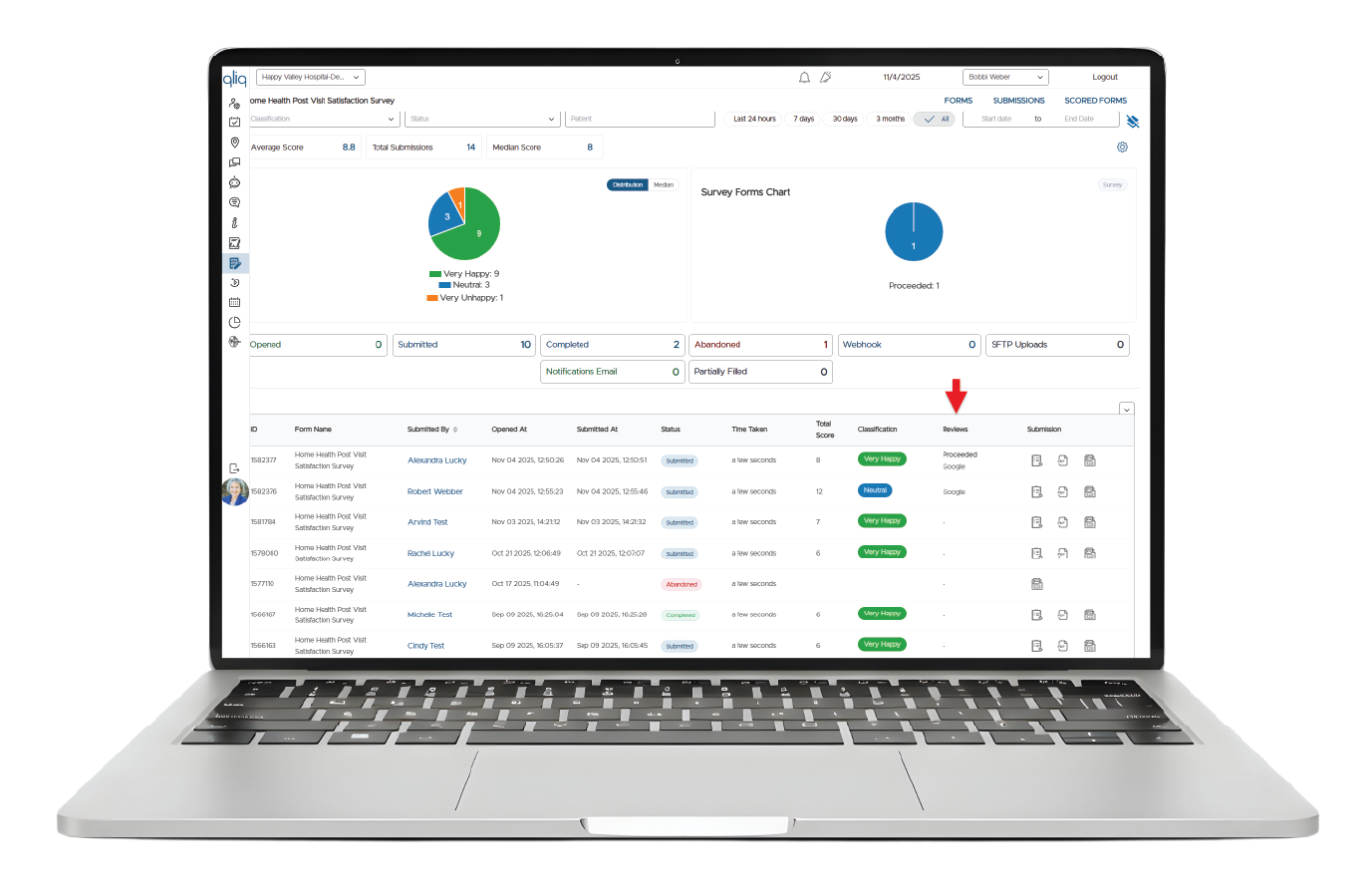
Hospice communication is scattered across calls, texts, emails, and verbal handoffs. Channels bring it into shared, structured threads, so changes-in-condition get seen, routed, and resolved between IDG meetings instead of waiting for the next one
Request a Demo


Critical updates (change in condition, falls, family concerns, medication issues) surface across texts, calls, side conversations, EMR notes, and verbal handoffs. The information exists. What's missing is the structure to make sure the right people see it, act on it, and arrive at IDG already aligned.
Hospice organizations already spend substantial time preparing for IDG, tracking down change-in-condition details, following up on unresolved issues, reconstructing fragmented history, and manually escalating concerns.

It's the lack of visibility, structure, and operational consistency across the work that drives patient care decisions.


From scattered signals to coordinated IDG workflow.

Relevant updates are surfaced and organized before review, so teams spend less time reconstructing the story and more time preparing to act.

Clinically relevant signals can be routed to the appropriate disciplines, making coordination less dependent on manual escalation and memory.

When teams spend less time chasing updates and hunting for information, they reduce frustration, context-switching, and prep burden, so the workflow scales as the organization grows.

Structured, searchable, timestamped history supports stronger review, better auditability, and more confidence during QA, complaints, or survey response.
Channels gives your team shared, secure threads for the communication that already happens between visits. Instead of change-in-condition, falls, medication concerns, and family updates scattering across personal texts, voicemails, and side conversations, they land in one structured place tied to the patient and the IDG.
From there, Channels adds the workflow. Clinically significant updates are flagged by category and risk, routed to the right disciplines, acknowledged, and closed out, so the team arrives at IDG already aligned and leadership can see what was raised, who acted, and when.
Assessments stay in your EMR. Channels is the operational layer that turns fragmented communication into coordinated action on what those assessments find.


Hospice teams already work under high emotional intensity, high signal volume, constant interruption, and staffing pressure. One of the most frustrating realities is spending time trying to locate information that already exists somewhere.
Channels helps make clinically relevant signals easier to surface, prioritize, and review, reducing information hunting, redundant follow-up, and meeting prep burden without asking staff to create more work.
Hospice teams already work under high emotional intensity, high signal volume, constant interruption, and staffing pressure. One of the most frustrating realities is spending time trying to locate information that already exists somewhere.
Channels helps make clinically relevant signals easier to surface, prioritize, and review, reducing information hunting, redundant follow-up, and meeting prep burden without asking staff to create more work.







Connect QliqSOFT with your current tech stack to optimize care and engagement.
Channels sits downstream of the EMR. Your EMR holds the patient record and clinical documentation. Channels coordinates the team's response to what's documented, surfacing change-in-condition signals, routing them across the IDG, and creating a defensible record of follow-up.
HOPE captures patient changes at admission and HUV intervals. Channels is the layer where the IDG coordinates the response between those assessments, so findings don't sit unaddressed until the next assessment or IDG meeting.
No. Channels by QliqSOFT organizes and operationalizes what's already happening rather than asking hospice teams to create more work.
Channels by QliqSOFT helps surface changes in condition, falls, medication concerns, family distress, care plan updates, clinical escalation, and unsafe environment indicators.
Channels by QliqSOFT is best suited for Hospice organizations with significant IDG prep burden, fragmented coordination workflows, leadership visibility gaps, or multi-site complexity. Channels is built for hospice clinical managers, case managers, and IDG coordinators who own the work between assessments and meetings.


© 2026 QliqSOFT, Inc. All Rights reserved